
For a better experience, we recommend you to orientate your device
For a better experience, we recommend you to orientate your device


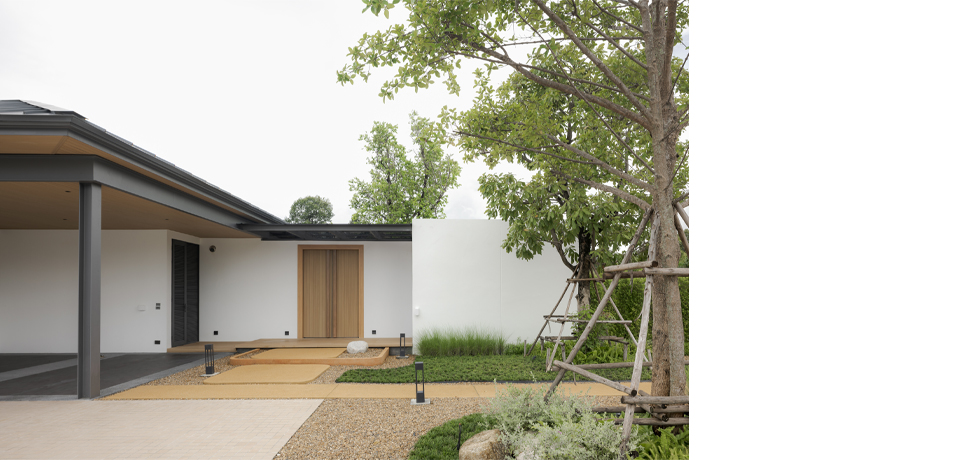
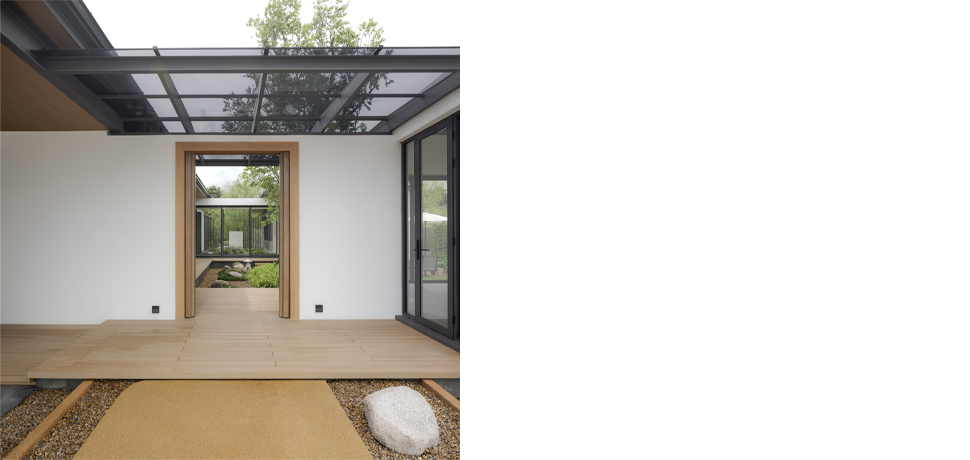






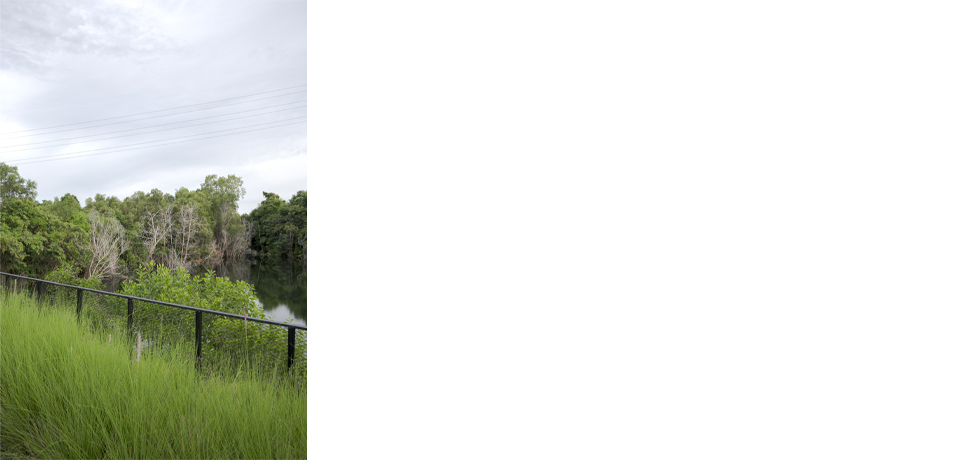
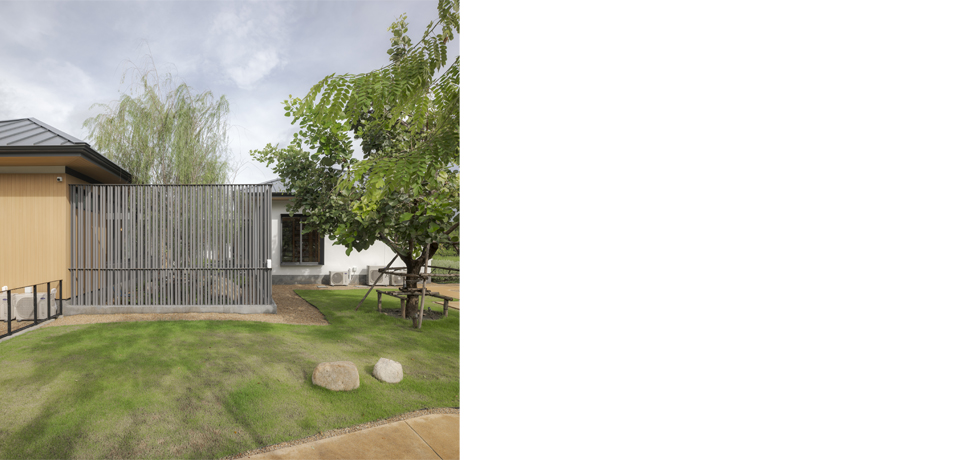

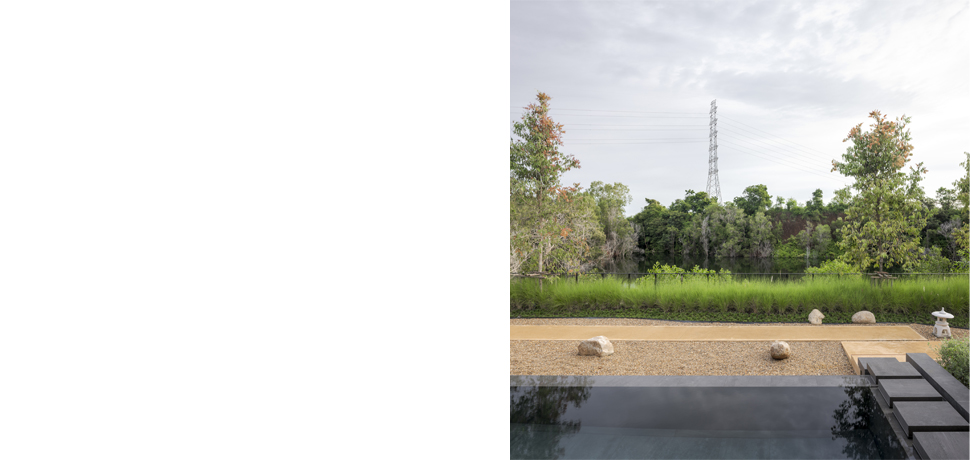
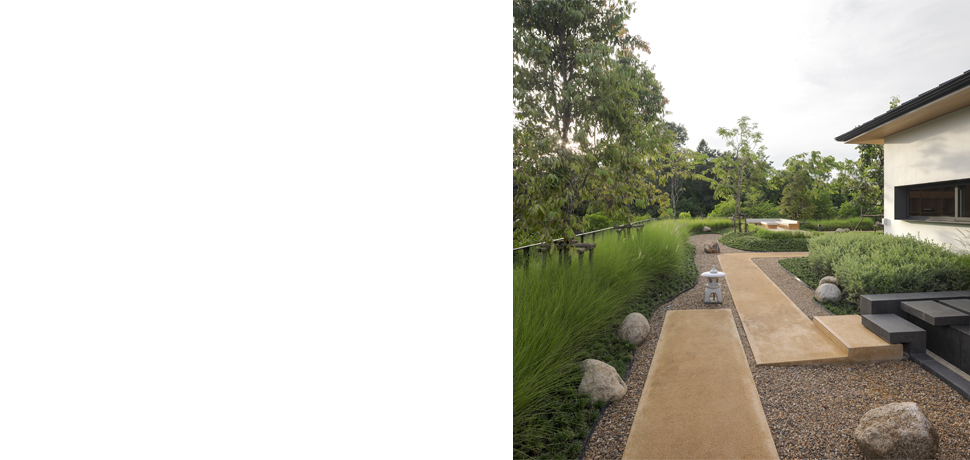
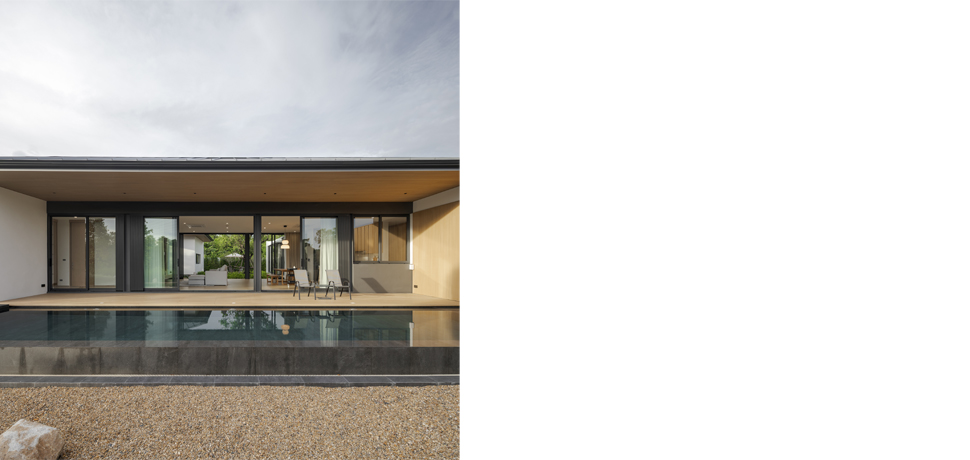
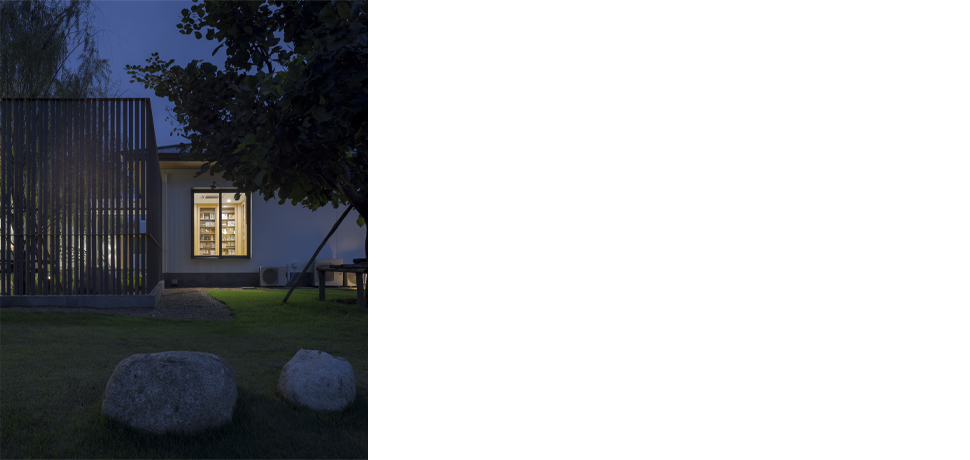
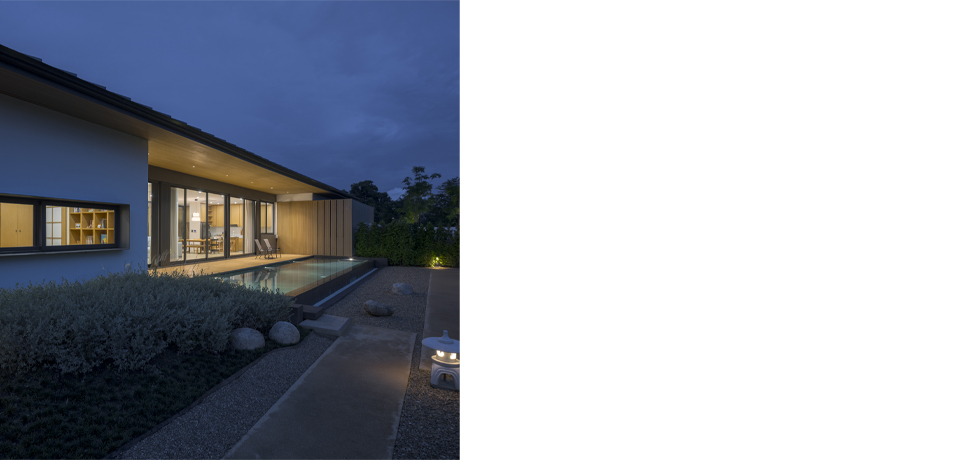
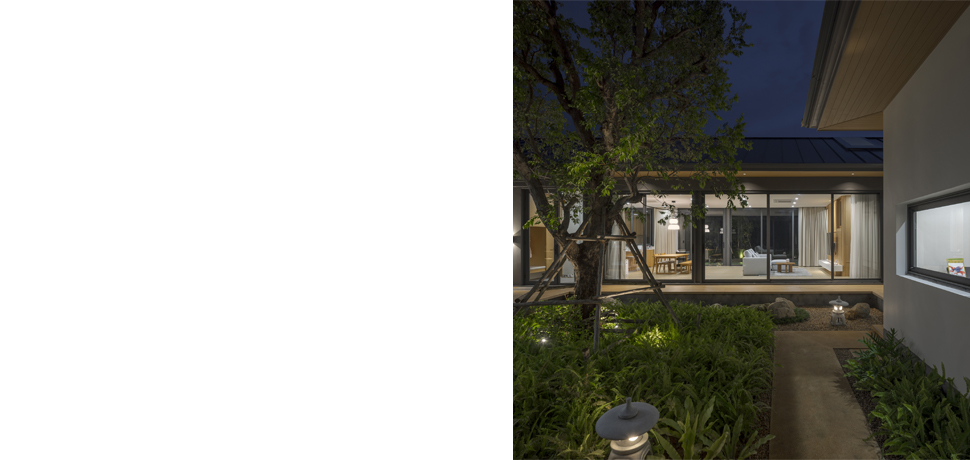
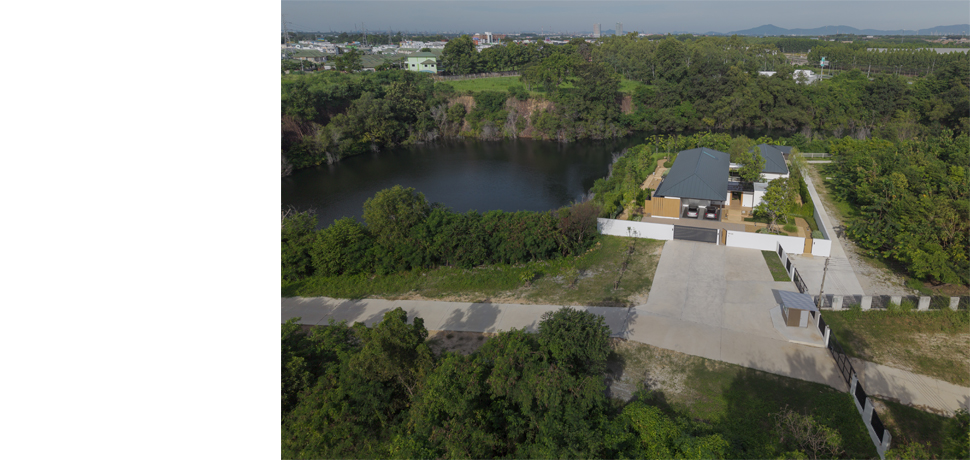

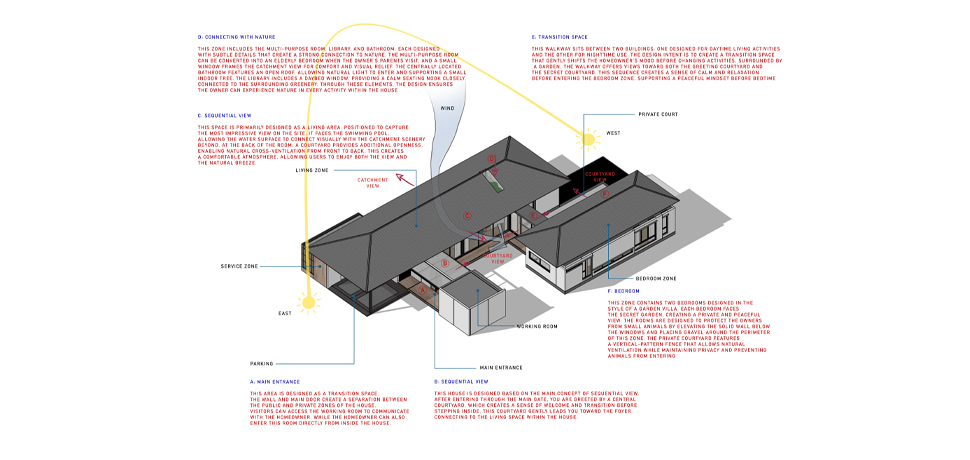

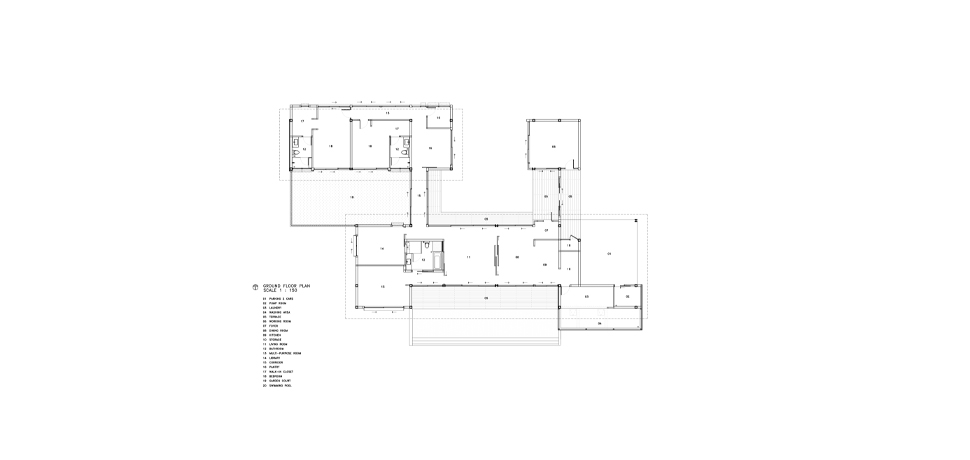
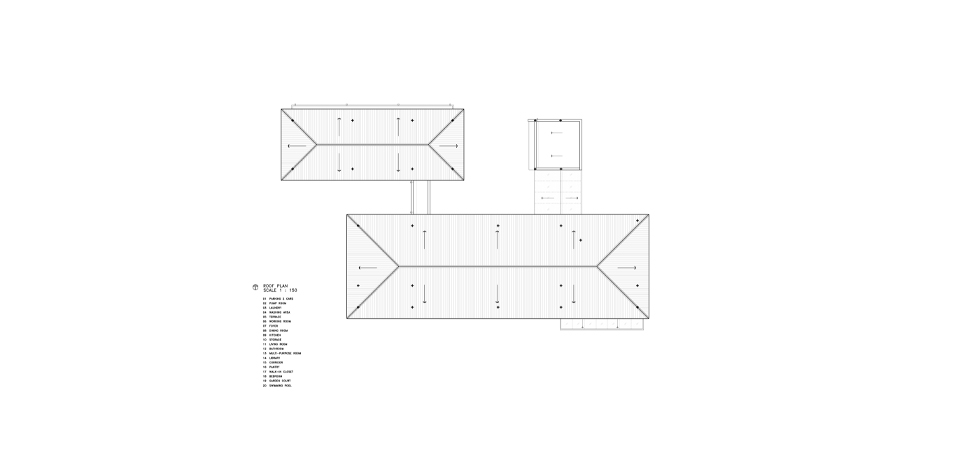

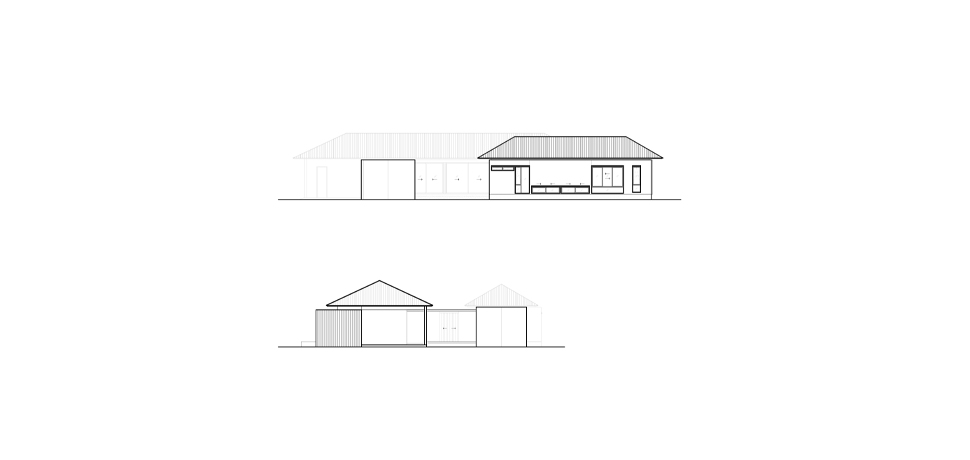

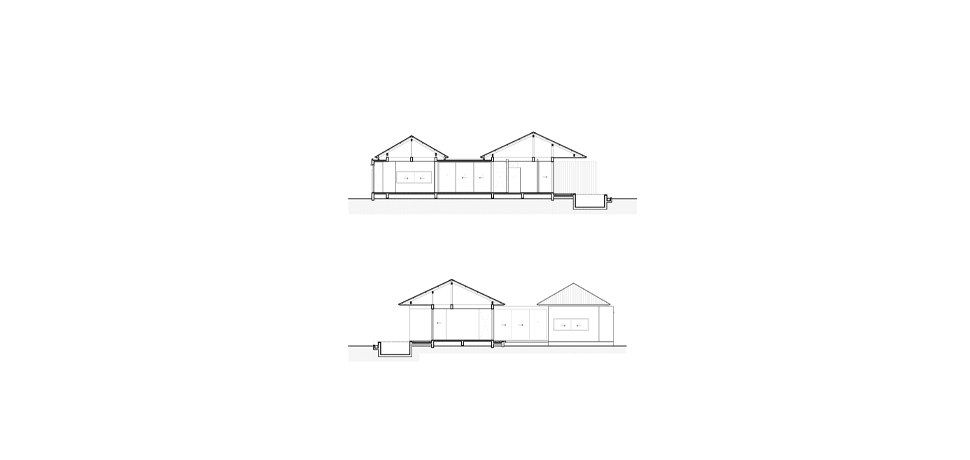
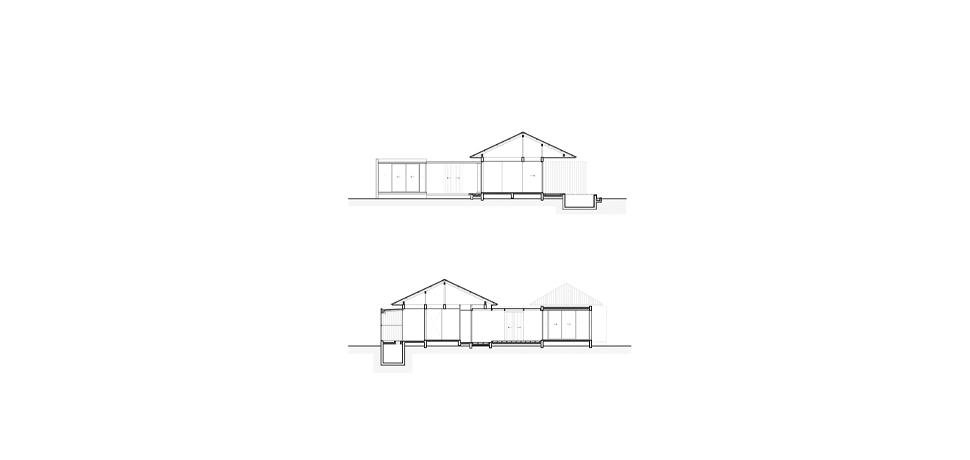
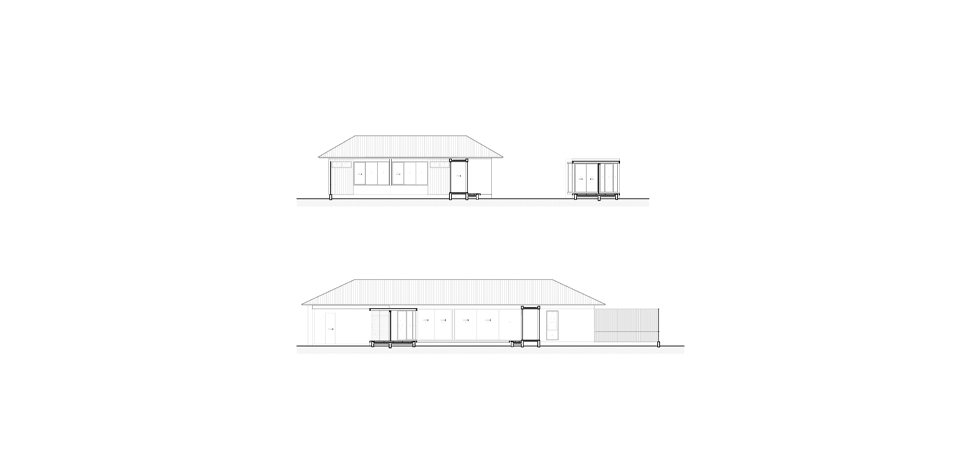
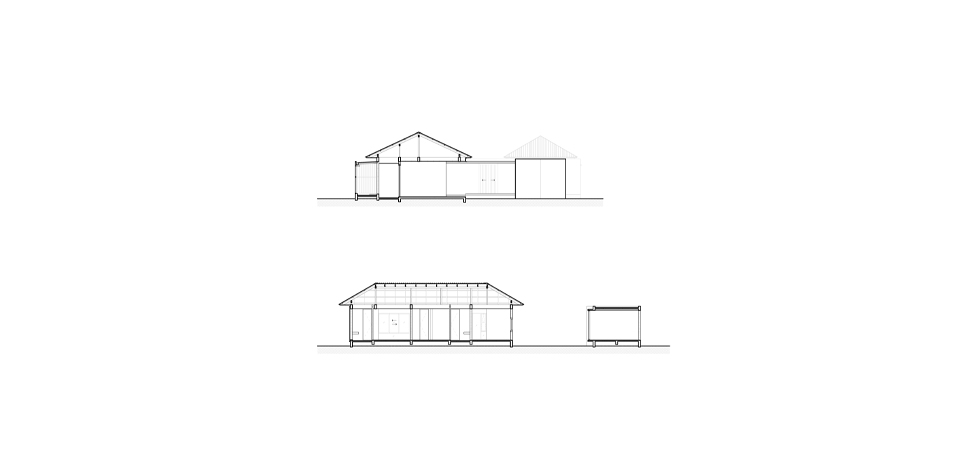
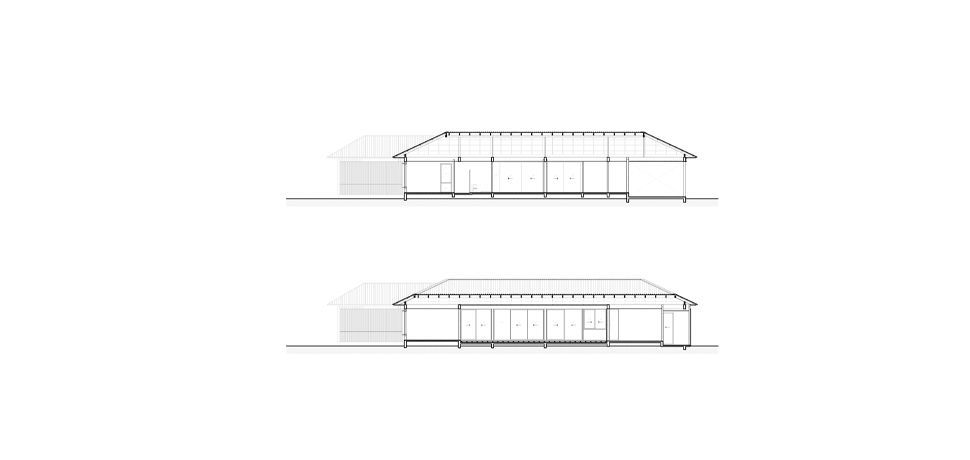
This house is conceived as a journey through space, light, and landscape—structured around the principle of sequential experience. The design orchestrates
a series of transitions that guide the homeowner from public to private zones with clarity and intention. The arrival begins at a defined transition space,
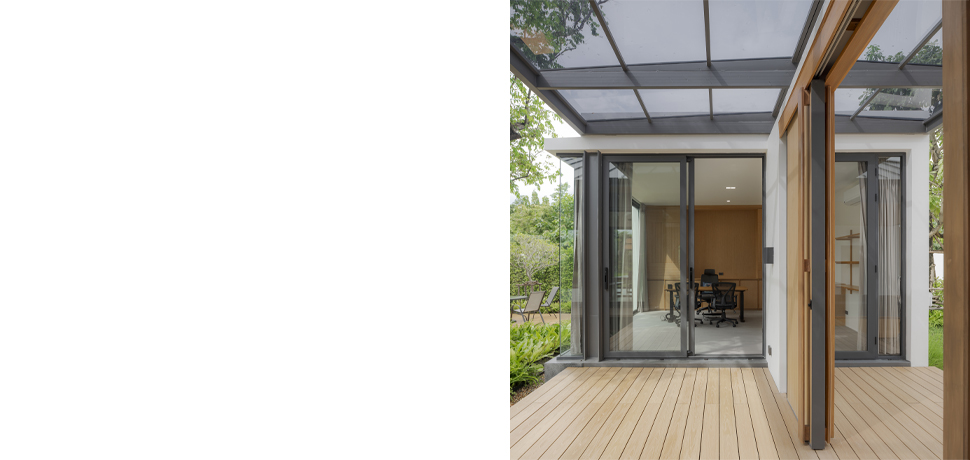
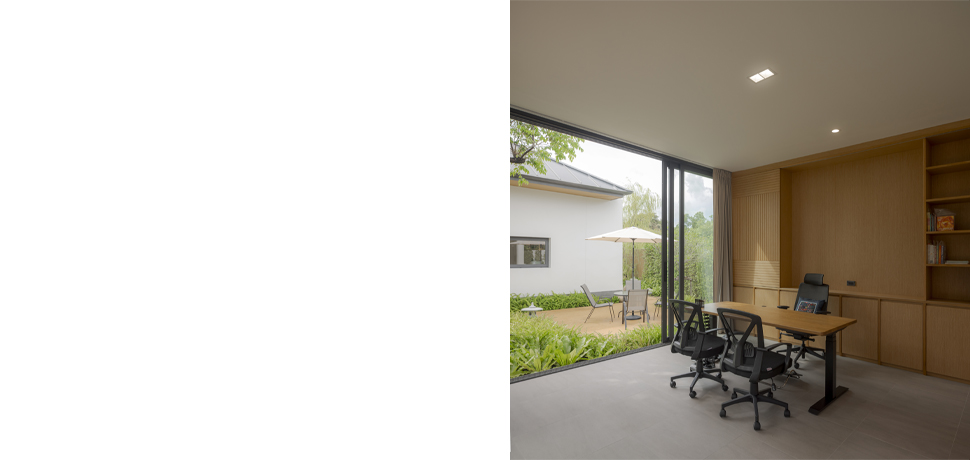
where the main entrance carefully separates the public frontage from the private interior. This controlled threshold gives visitors access only to the working
room, while allowing the homeowner discrete movement from within.
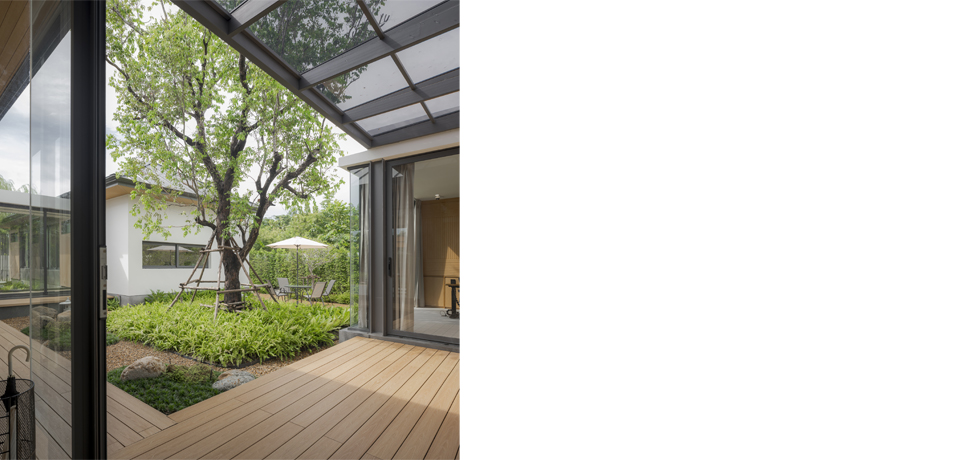
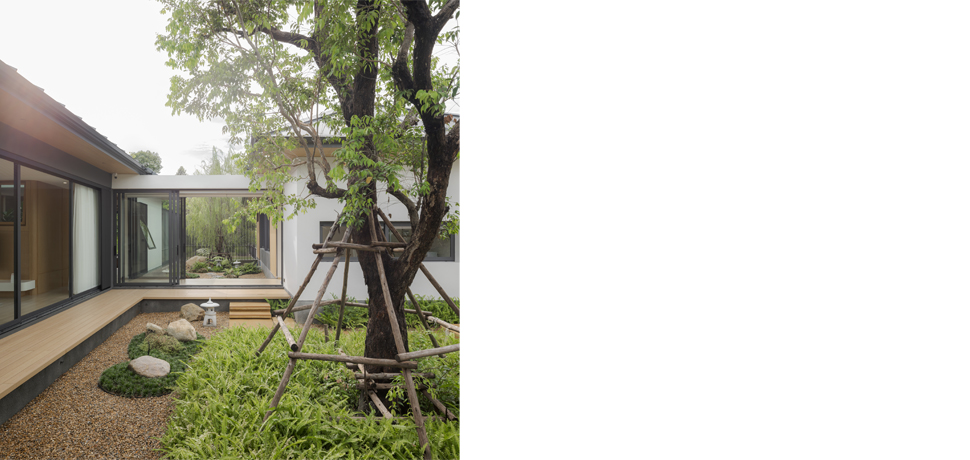
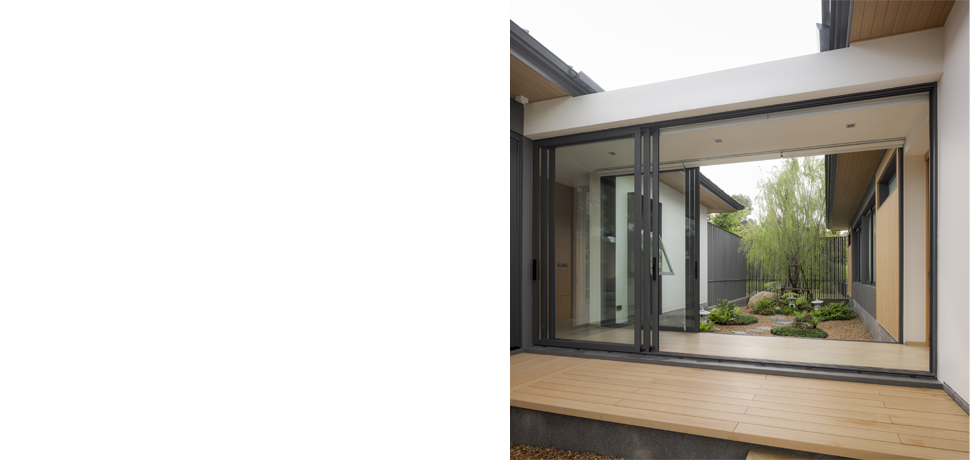
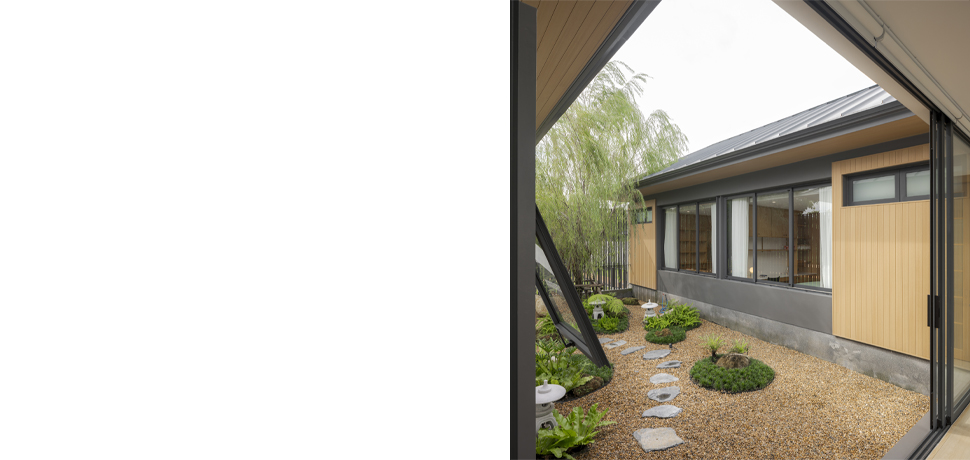
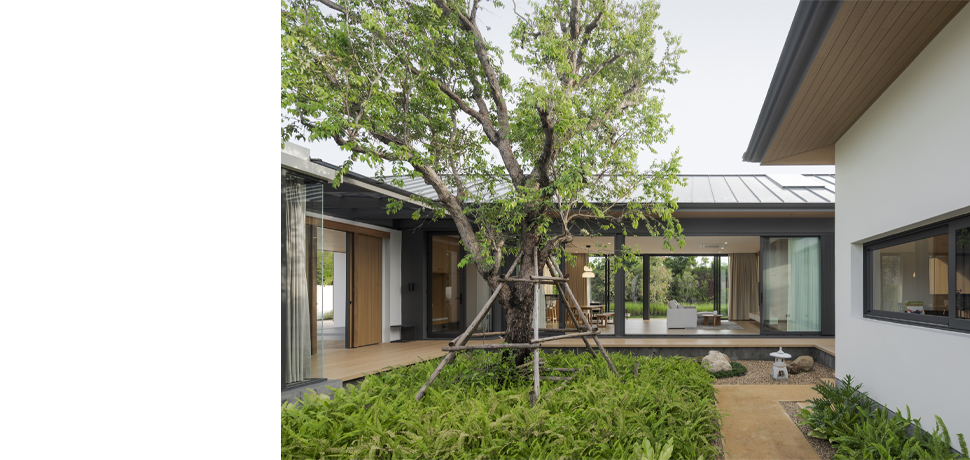
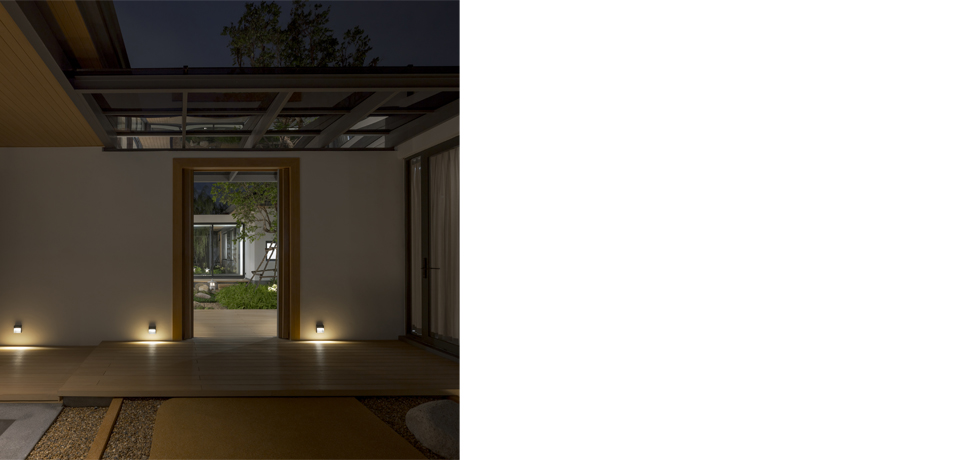
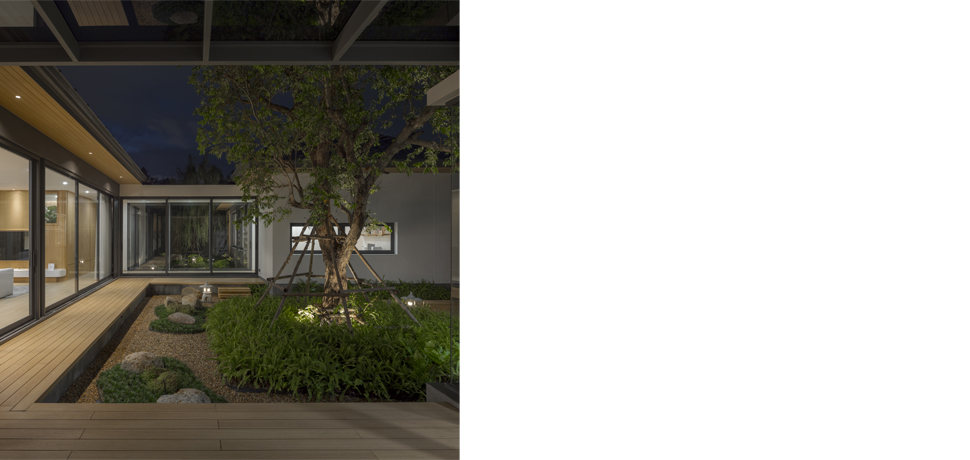
Upon entering the gate, residents are welcomed by a central courtyard, establishing the project’s core design language: openness, nature, and a calming
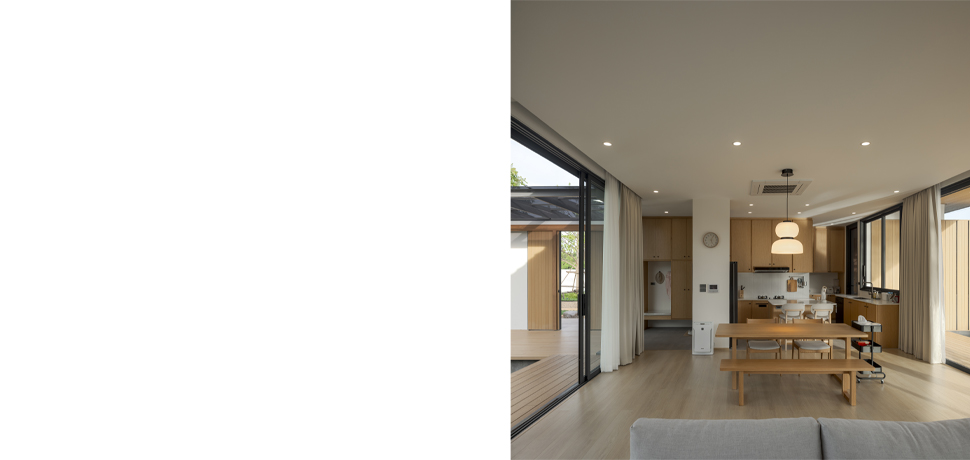
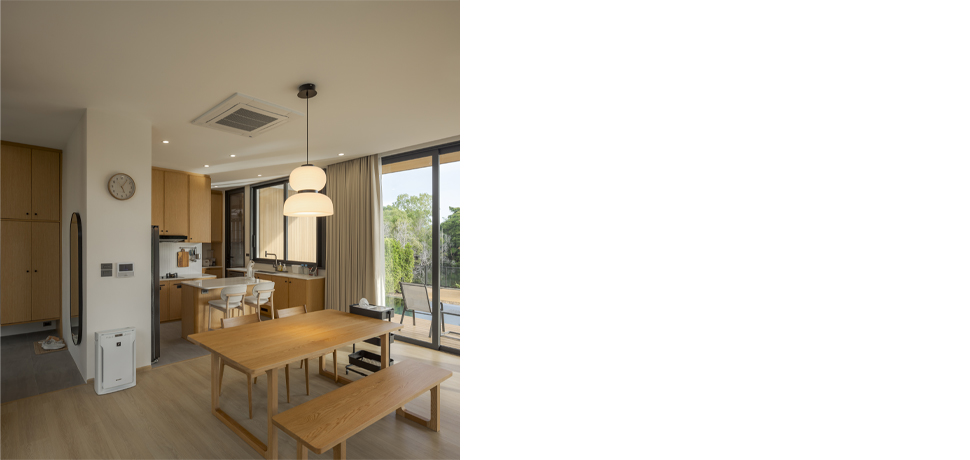
sense of return. This courtyard becomes the pivotal space that leads toward the foyer, smoothly connecting into the living areas. The main living space is
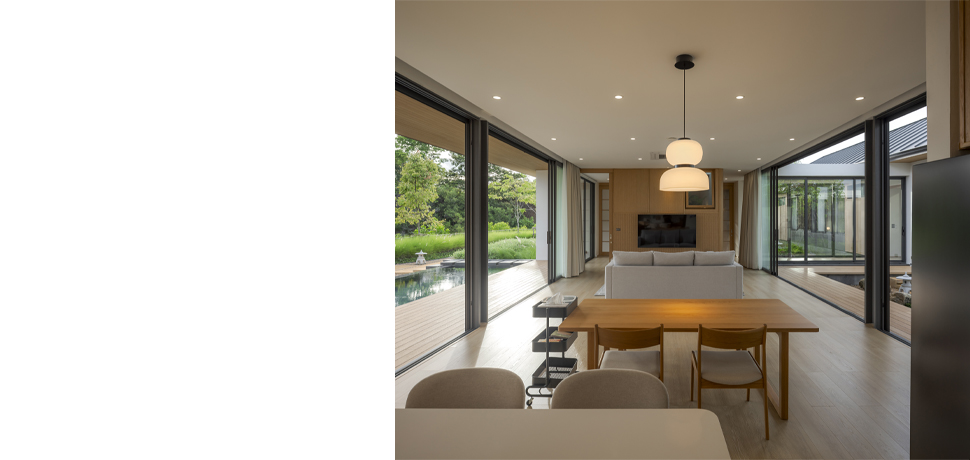
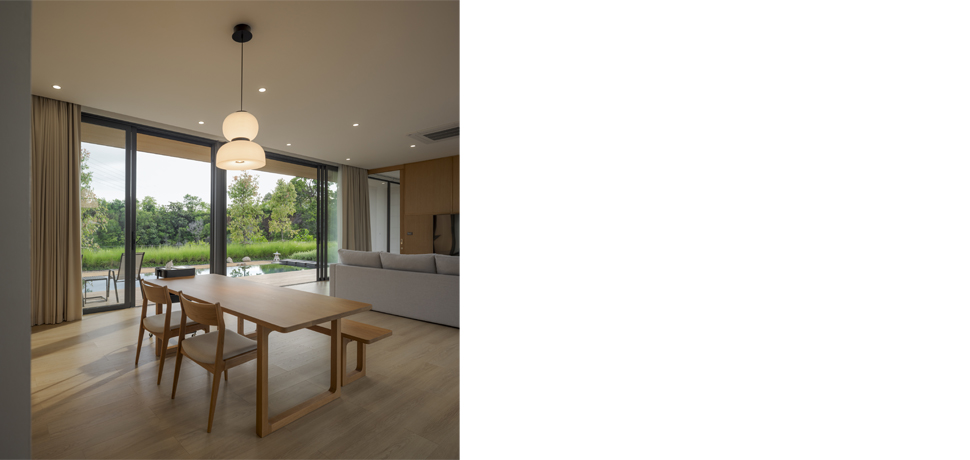
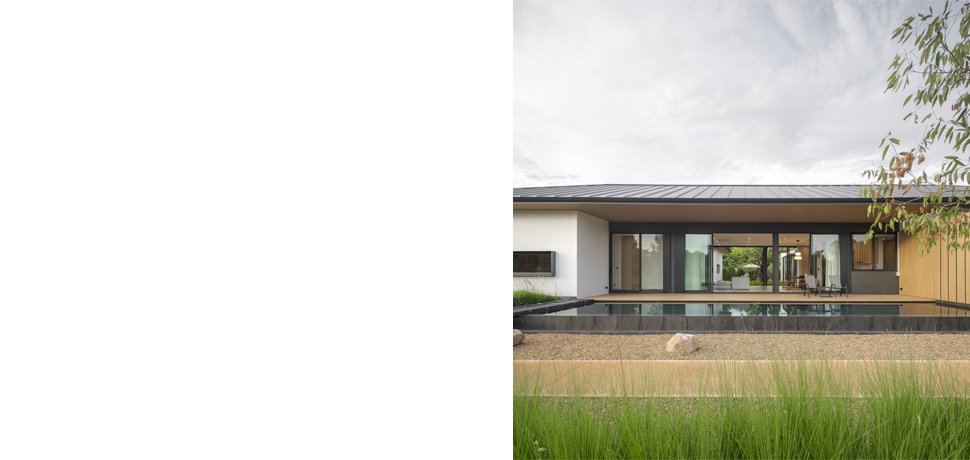
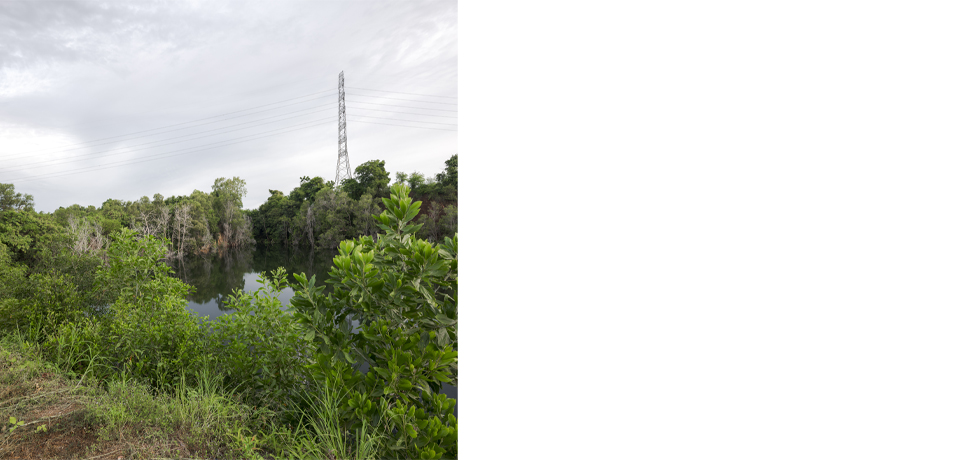
strategically positioned to capture the most stunning panoramic view of the site. With a direct relationship to the swimming pool and a courtyard behind,
the room benefits from natural cross-ventilation, framing both water and greenery to create a serene, comfortable atmosphere.
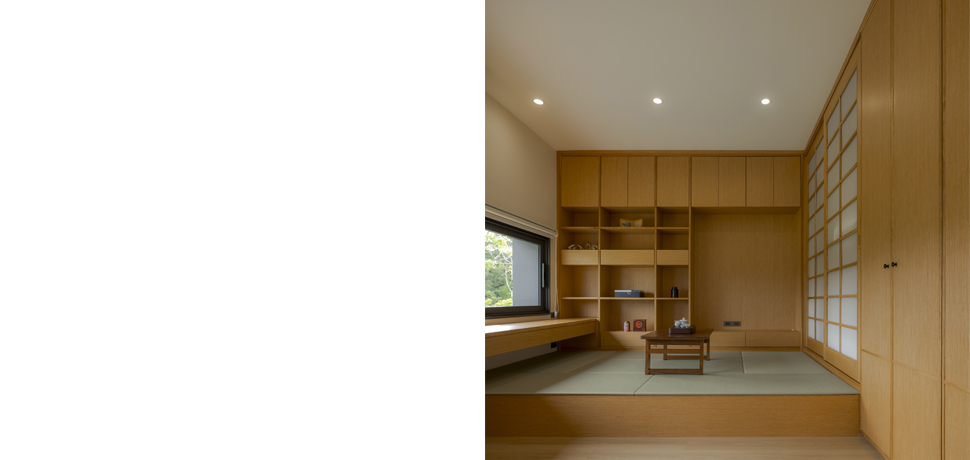
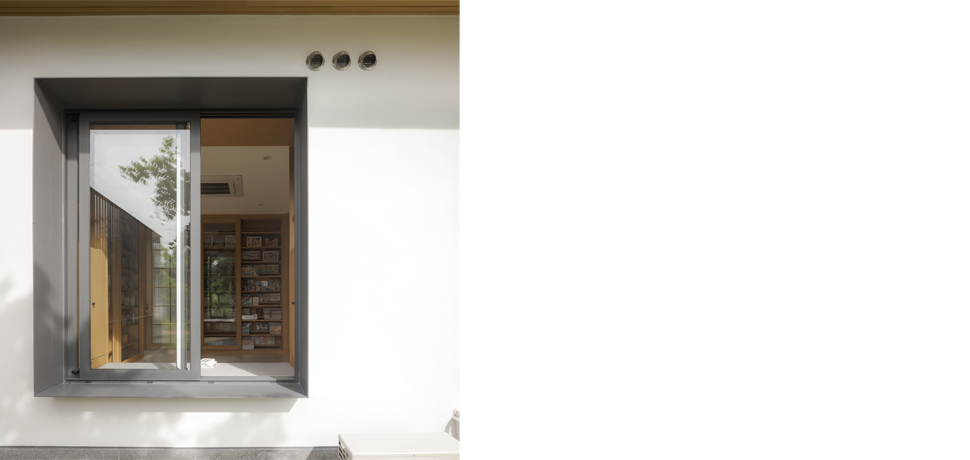
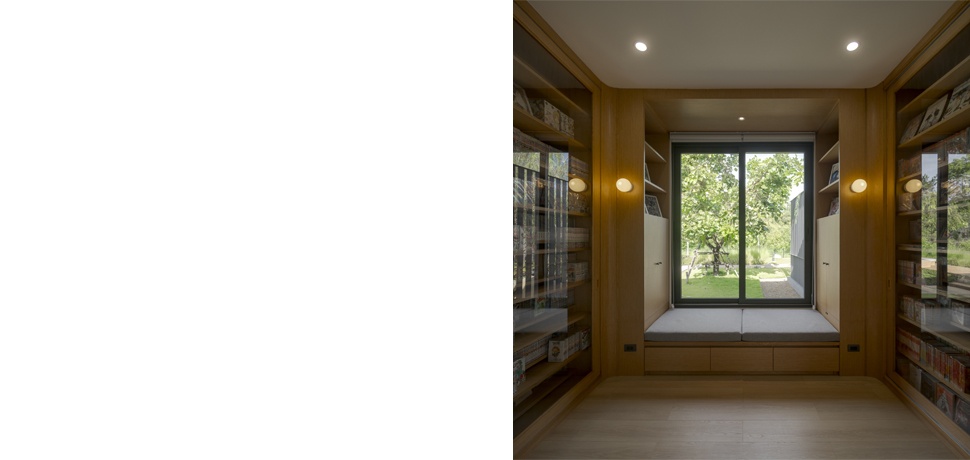
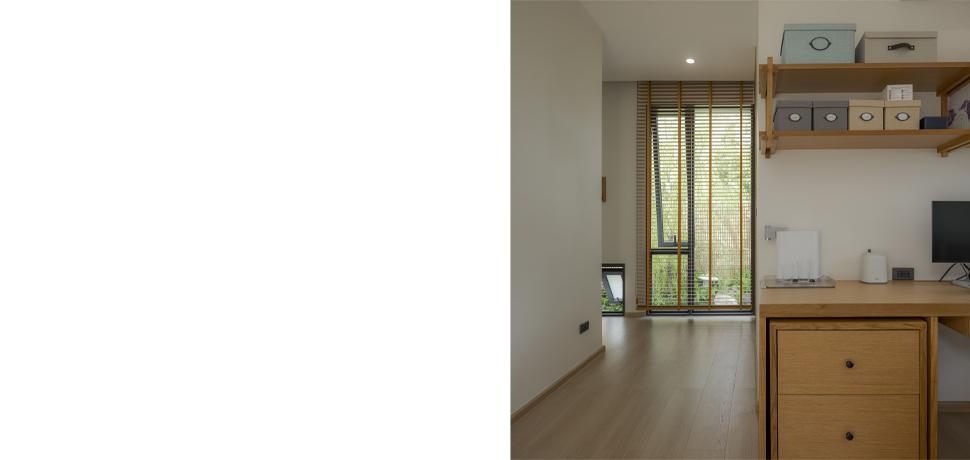
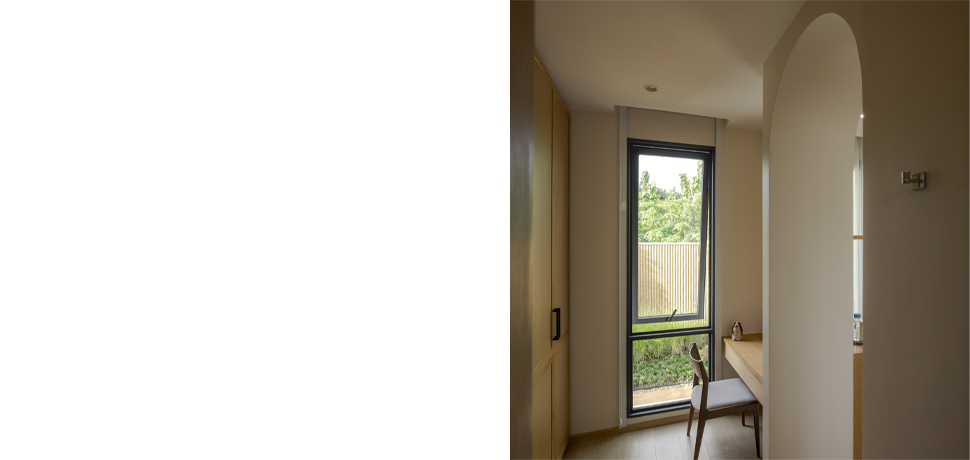
Complementing the living zone, a cluster of supporting rooms—the multi-purpose room, library, and bathroom—are crafted to emphasize
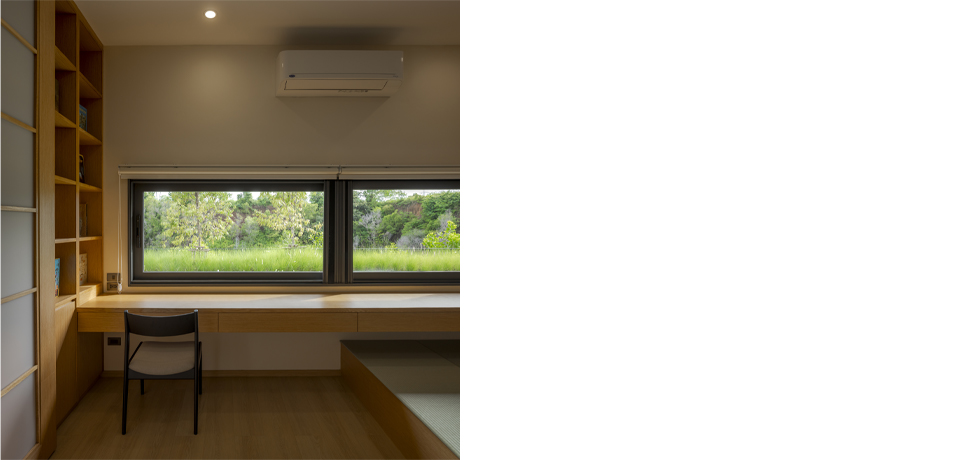
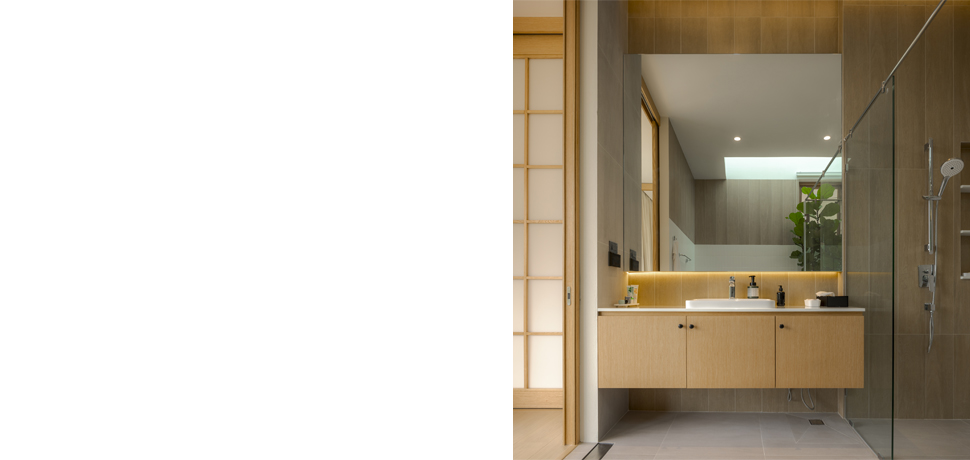
connection with nature. Each space incorporates subtle but meaningful elements: a convertible elder-friendly bedroom with a view window, a bathroom
with an open roof inviting natural light, and a library with a daybed overlooking greenery. These gestures ensure the owner feels grounded in nature across
everyday activities.
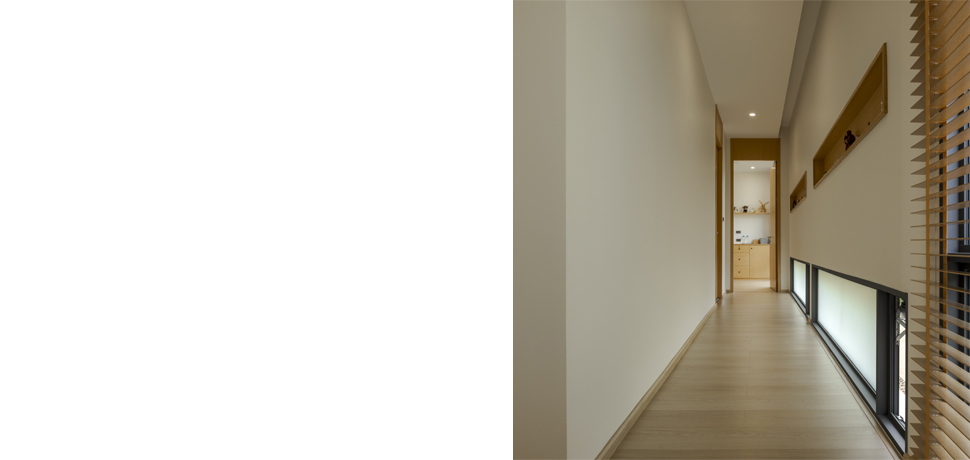
Circulation between the daytime and nighttime zones is articulated by a garden-lined transition walkway. This passage reveals both the greeting courtyard
and the secret courtyard, offering a quiet moment of reset before entering the bedroom wing. The walkway’s calm atmosphere sets the tone for rest and
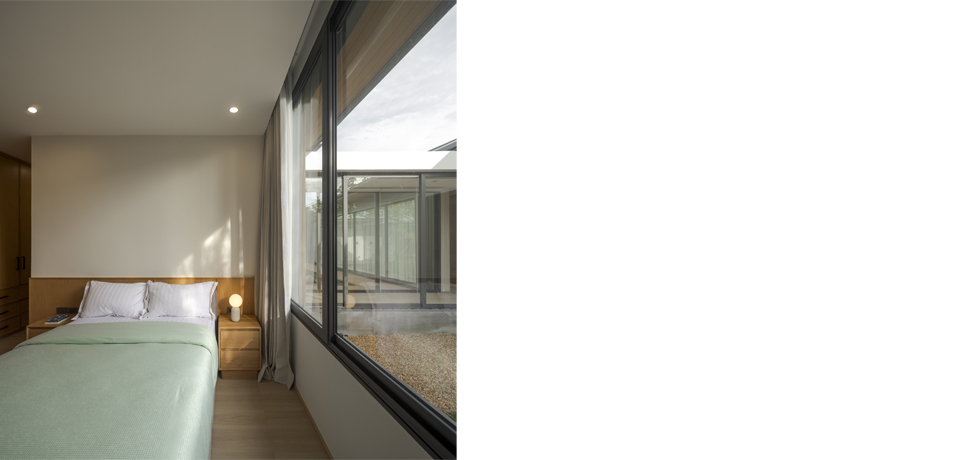
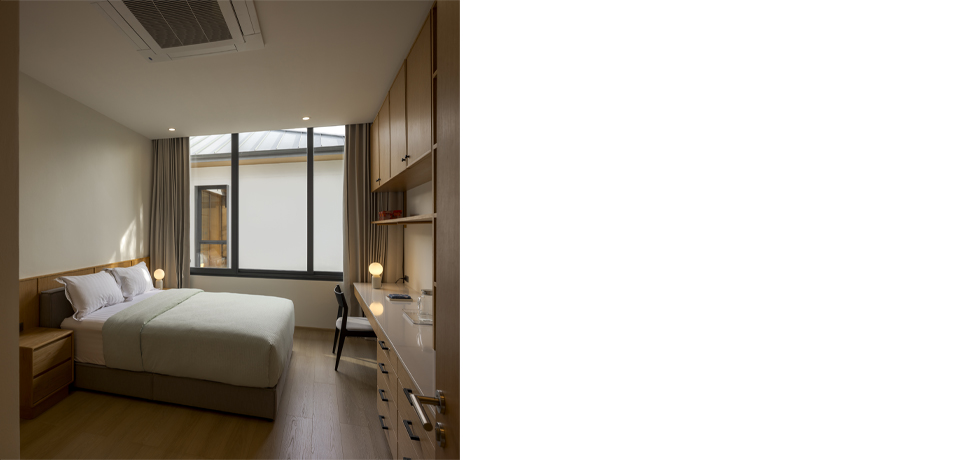
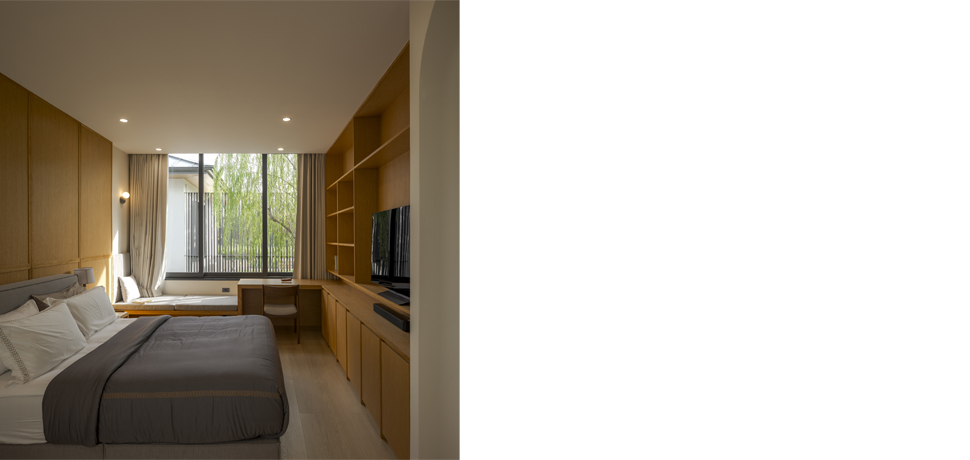
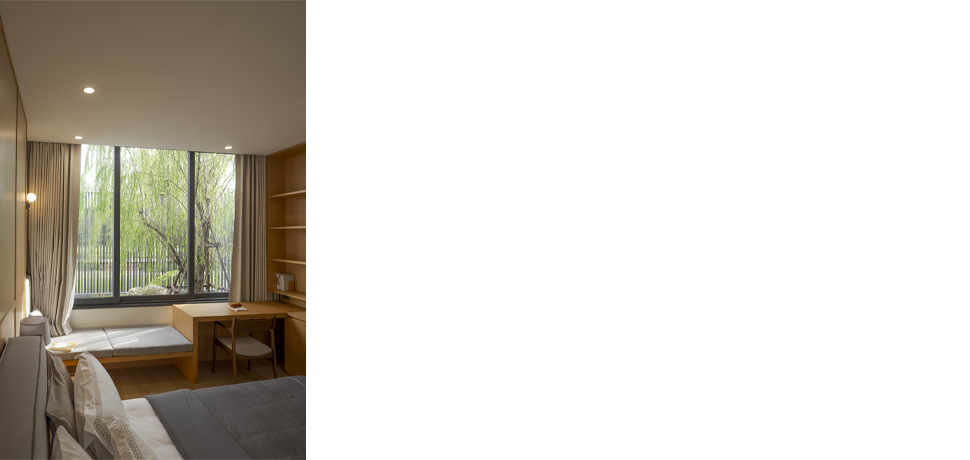
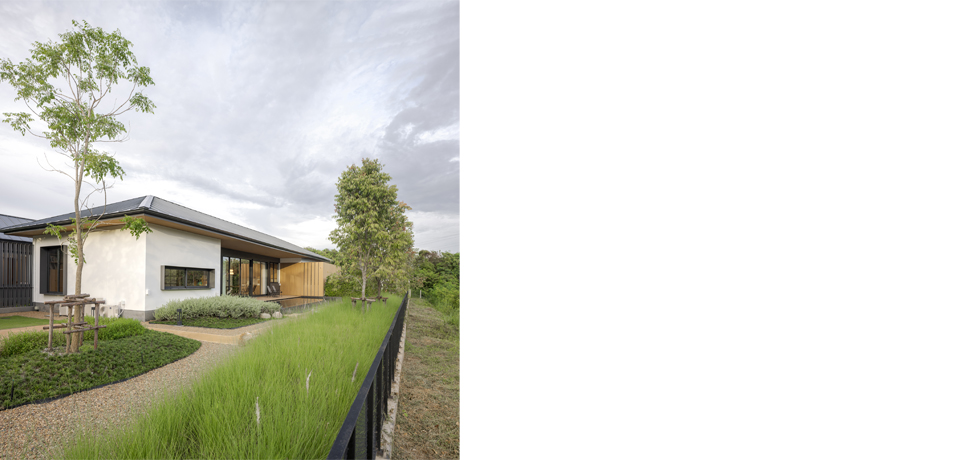
relaxation. The private wing houses two garden villa–style bedrooms facing a secluded garden. Elevated solid walls and gravel boundaries provide protection
from small animals, while the vertical-pattern courtyard fence ensures privacy and ventilation. These design strategies cultivate a peaceful retreat where
the owners can rest close to nature.
Architects: Narucha Kuwattanapasiri, Kunatip Thonglueang, Phuvanart Roongsang
Interior Architects: Studio Fine Art
Landscape Architect: Ingyu Co., Ltd.
Lighting Architect: -
Structural Engineer: Ekkapong Yakan
System Engineers: Sutida Sirimungkla, Tanakorn Eaksongkiat, Rawiwan Tiwawong
Contractor: Sangbovorn Construction Company Limited
Photographs: Soopakorn Srisakul
This house is conceived as a journey through space, light, and landscape—structured around the principle of sequential experience. The design orchestrates
a series of transitions that guide the homeowner from public to private zones with clarity and intention. The arrival begins at a defined transition space,
where the main entrance carefully separates the public frontage from the private interior. This controlled threshold gives visitors access only to the working
room, while allowing the homeowner discrete movement from within.
Upon entering the gate, residents are welcomed by a central courtyard, establishing the project’s core design language: openness, nature, and a calming
sense of return. This courtyard becomes the pivotal space that leads toward the foyer, smoothly connecting into the living areas. The main living space is
strategically positioned to capture the most stunning panoramic view of the site. With a direct relationship to the swimming pool and a courtyard behind,
the room benefits from natural cross-ventilation, framing both water and greenery to create a serene, comfortable atmosphere.
Complementing the living zone, a cluster of supporting rooms—the multi-purpose room, library, and bathroom—are crafted to emphasize
connection with nature. Each space incorporates subtle but meaningful elements: a convertible elder-friendly bedroom with a view window, a bathroom
with an open roof inviting natural light, and a library with a daybed overlooking greenery. These gestures ensure the owner feels grounded in nature across
everyday activities.
Circulation between the daytime and nighttime zones is articulated by a garden-lined transition walkway. This passage reveals both the greeting courtyard
and the secret courtyard, offering a quiet moment of reset before entering the bedroom wing. The walkway’s calm atmosphere sets the tone for rest and
relaxation. The private wing houses two garden villa–style bedrooms facing a secluded garden. Elevated solid walls and gravel boundaries provide protection
from small animals, while the vertical-pattern courtyard fence ensures privacy and ventilation. These design strategies cultivate a peaceful retreat where
the owners can rest close to nature.
Architects: Narucha Kuwattanapasiri, Kunatip Thonglueang, Phuvanart Roongsang
Interior Architects: Studio Fine Art
Landscape Architect: Ingyu Co., Ltd.
Lighting Architect: -
Structural Engineer: Ekkapong Yakan
System Engineers: Sutida Sirimungkla, Tanakorn Eaksongkiat, Rawiwan Tiwawong
Contractor: Sangbovorn Construction Company Limited
Photographs: Soopakorn Srisakul
This house is conceived as a journey through space, light, and landscape—structured around the principle of sequential experience. The design orchestrates
a series of transitions that guide the homeowner from public to private zones with clarity and intention. The arrival begins at a defined transition space,
where the main entrance carefully separates the public frontage from the private interior. This controlled threshold gives visitors access only to the working
room, while allowing the homeowner discrete movement from within.
Upon entering the gate, residents are welcomed by a central courtyard, establishing the project’s core design language: openness, nature, and a calming
sense of return. This courtyard becomes the pivotal space that leads toward the foyer, smoothly connecting into the living areas. The main living space is
strategically positioned to capture the most stunning panoramic view of the site. With a direct relationship to the swimming pool and a courtyard behind,
the room benefits from natural cross-ventilation, framing both water and greenery to create a serene, comfortable atmosphere.
Complementing the living zone, a cluster of supporting rooms—the multi-purpose room, library, and bathroom—are crafted to emphasize
connection with nature. Each space incorporates subtle but meaningful elements: a convertible elder-friendly bedroom with a view window, a bathroom
with an open roof inviting natural light, and a library with a daybed overlooking greenery. These gestures ensure the owner feels grounded in nature across
everyday activities.
Circulation between the daytime and nighttime zones is articulated by a garden-lined transition walkway. This passage reveals both the greeting courtyard
and the secret courtyard, offering a quiet moment of reset before entering the bedroom wing. The walkway’s calm atmosphere sets the tone for rest and
relaxation. The private wing houses two garden villa–style bedrooms facing a secluded garden. Elevated solid walls and gravel boundaries provide protection
from small animals, while the vertical-pattern courtyard fence ensures privacy and ventilation. These design strategies cultivate a peaceful retreat where
the owners can rest close to nature.
Architects: Narucha Kuwattanapasiri, Kunatip Thonglueang, Phuvanart Roongsang
Interior Architects: Studio Fine Art
Landscape Architect: Ingyu Co., Ltd.
Lighting Architect: -
Structural Engineer: Ekkapong Yakan
System Engineers: Sutida Sirimungkla, Tanakorn Eaksongkiat, Rawiwan Tiwawong
Contractor: Sangbovorn Construction Company Limited
Photographs: Soopakorn Srisakul

 |
 |
|
|
|
|